



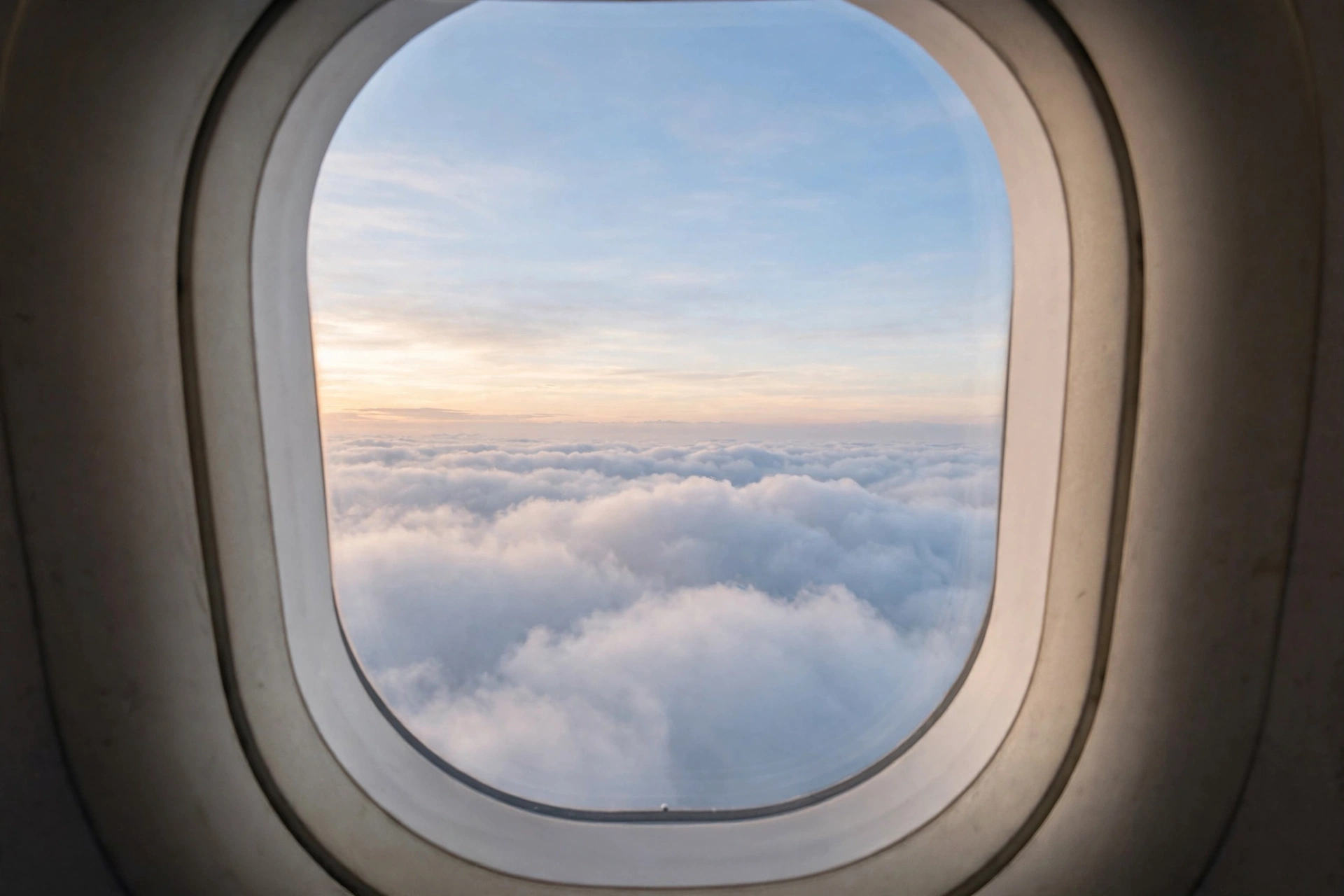
Around 1 in 10 people in the UK say they feel nervous about flying, and for some it is much more than nerves — racing heart, sweaty palms, a churning stomach, and a powerful urge to cancel the trip altogether. If you are one of them, you may have heard that diazepam (Valium) is sometimes prescribed for flight anxiety. In this guide we explain how it works for fear of flying, what UK GPs usually advise about dosage and timing, the airline rules many passengers miss, and practical tips for a calmer journey.
This article is for information only and is not medical advice. Diazepam is a prescription-only medicine in the UK — always follow your own prescriber’s instructions.
Why does fear of flying happen?
Fear of flying (aviophobia) is usually a mix of loss of control, heights, enclosed spaces, and worry about turbulence or safety. Your brain’s threat system fires up the fight-or-flight response: adrenaline rises, breathing quickens, and muscles tense. That is why reassurance alone (“flying is safe”) rarely fixes it — your body is reacting faster than logic can catch up.
Common symptoms before and during a flight include:
- Racing heartbeat, chest tightness or shortness of breath
- Nausea, stomach cramps or needing the toilet urgently
- Dizziness, tingling hands, or feeling faint
- Restlessness, irritability, or snapping at travel companions
- Catastrophic thoughts — imagining every noise means something is wrong
- Avoidance — cancelling holidays, turning down work trips, or dreading the return leg for the whole holiday
Short-term anti-anxiety medicines like diazepam aim to dampen that physical alarm response so you can board, sit through the flight, and land without distress. They do not cure the phobia, but for occasional flyers they can make travel possible again. For background on how diazepam compares with other fast-acting options, see our Valium vs Xanax comparison.
Can you take diazepam for fear of flying in the UK?
Yes — UK GPs do sometimes prescribe a small, short-term supply of diazepam specifically for flying, typically just one or two doses to cover the outbound and return flights. However, policies vary:
- Many GP surgeries now restrict it. Some practices no longer prescribe sedatives for flying at all, citing sedation risks, paradoxical reactions, and responsibility during emergencies.
- It is prescription-only. Diazepam is a Class C controlled drug in the UK. It is illegal to buy or possess it without a prescription.
- Airlines may ask questions. Most airlines do not ban passengers for taking prescribed diazepam, but crew can refuse boarding or offload anyone who appears heavily sedated, confused, or unable to follow safety instructions.
- Travel insurance and medical forms matter. If you declare anxiety, keep your medication in original packaging with the pharmacy label showing your name.
Always ask your own GP or prescriber first. If they decline, ask about alternatives such as CBT-based fear-of-flying courses, referral for talking therapy, or non-sedating strategies — and read our guide to buying diazepam online safely in the UK so you understand the legal landscape.
Diazepam dosage for flying: what prescribers usually advise
There is no one-size dose — your prescriber considers your age, weight, general health, other medicines, and whether you have taken benzodiazepines before. That said, UK prescribing references describe typical adult patterns like these for occasional anxiety:
- Low starting point: 2mg taken as a test dose on the ground, before the travel day, to see how you react.
- Common flight dose: 5mg taken before the flight, occasionally 5mg–10mg in divided amounts for longer journeys — strictly as directed on your prescription.
- Older adults or first-timers: often start at the lowest effective dose (sometimes 2mg), because sedation and fall risk are higher.
- Maximum mindset: for flying, the principle is lowest dose that takes the edge off, not total sedation. You must stay awake, responsive, and able to follow crew instructions.
Never borrow someone else’s tablets, split doses differently from the label, or double up because you “still feel nervous”. For a deeper explanation of strengths, read Diazepam 5mg vs 10mg: which dosage is right for you.
How long before a flight should you take it?
Diazepam is absorbed relatively quickly — most people feel the calming effect within 30–60 minutes, with peak effect around 1–2 hours. Its long half-life means the effect lingers for many hours, which suits long-haul flights but also means next-day drowsiness is possible. Practical timing tips prescribers often give:
- Take your prescribed dose about 45–60 minutes before boarding, not at the gate in a panic.
- Do a trial dose at home days before travelling (with your prescriber’s agreement) so you know how sleepy or steady you feel.
- For detailed onset information see how long diazepam takes to work.
- Plan your airport logistics in advance — check in online, arrive early, and avoid rushing, which amplifies anxiety.
Airline, airport and destination rules you should know
Being medically prepared is only half the job. Cover the paperwork too:
- Keep it in original packaging with the pharmacy label. Loose tablets in a pill box can raise questions at security.
- Carry a copy of your prescription (paper or phone photo) — essential for connecting flights and stricter destinations such as the UAE, Singapore, Japan and some Middle Eastern countries, where benzodiazepines are tightly controlled.
- Hand luggage, not hold luggage. Keep your dose accessible but take it at the planned time, not hours early in the departure lounge bar.
- Tell your travel companion what you have taken and what to expect, so they can nudge you if you doze off before boarding calls.
- Do not drive after landing if you feel drowsy. Arrange a pickup or taxi rather than hiring a car while sedated.
Side effects and safety in the air
Cabin conditions — low humidity, lower oxygen pressure, dehydration, and tiredness — can magnify drowsiness. Know what to expect:
- Common: drowsiness, light-headedness, blurred vision, dry mouth, unsteady walking in the aisle, and reduced concentration.
- Less common but important: paradoxical agitation or aggression (rare, but a reason some GPs hesitate), memory gaps for parts of the flight, and slowed reactions in an emergency.
- Red flags — seek crew/medical help: difficulty breathing, fainting, confusion, severe agitation, or signs of an allergic reaction such as swelling or rash.
Stand up slowly, drink water rather than caffeine or alcohol, and avoid climbing into overhead lockers while unsteady. Our full diazepam side effects guide explains when to call your doctor.
What you must not mix with diazepam when flying
- Alcohol — the big one. Even one glass of wine at the airport can dangerously deepen sedation, slow breathing, and impair judgement when combined with diazepam. Skip pre-flight drinks entirely.
- Other sedatives: sleeping tablets (including zopiclone), strong antihistamines, codeine-type painkillers, and cannabis can all stack sedation.
- Caffeine overload: triple espressos to “stay alert” can spike jitteriness and counteract the calm you are aiming for.
- New supplements: do not experiment with unfamiliar herbal sedatives on travel day.
Calmer-flight tips that work alongside treatment
Medicine works best as part of a plan, not the whole plan. Frequent flyers and fear-of-flying coaches recommend:
- Learn the noises. Watch a “normal flight sounds” video — clunks after take-off, engine pitch changes, and wing creaks are routine, not warnings.
- Choose your seat deliberately. Over the wing feels the least movement; an aisle seat helps if enclosure bothers you.
- Control your breathing. Slow 4-2-4 breathing (in 4, hold 2, out 4) for a few minutes during climb-out calms the nervous system.
- Distract on purpose. Download films, podcasts or games in advance; noise-cancelling headphones make a remarkable difference.
- Tell the crew. A quiet word — “I’m a nervous flyer” — usually earns kind check-ins and early reassurance during turbulence.
- Limit coffee and news scrolling on travel day; both feed the adrenaline loop.
- Consider a course for the long term. NHS talking therapies and dedicated fear-of-flying programmes have strong results, and tapering skills matter if you ever use diazepam repeatedly — see how to taper off diazepam safely.
Frequently asked questions
How much diazepam should I take for a flight?
Only your prescriber can set your dose. UK practice for occasional flight anxiety is usually a low single dose such as 2mg–5mg, sometimes up to 10mg across a long journey, taken about an hour before boarding. Never guess — follow the prescription label exactly.
Will diazepam make me sleep through the flight?
At flight-anxiety doses most people feel calm and drowsy but remain rousable — that is the goal. Deep sleep is not guaranteed and should not be the aim, because you must be able to respond to crew instructions.
Can I drink alcohol if I have taken diazepam for flying?
No. Alcohol plus diazepam multiplies sedation and breathing risks and can lead to being refused boarding. Avoid alcohol for at least 24 hours after your dose or as your prescriber advises.
Will airport security stop me for carrying diazepam?
Not if it is prescribed to you and kept in original packaging with the pharmacy label. Carry a copy of the prescription, especially for international trips, and check the destination country’s controlled-medicine rules before you fly.
What if my GP will not prescribe diazepam for flying?
That is increasingly common and is a clinical judgement, not a personal refusal. Ask about fear-of-flying courses, CBT referral, or alternative plans, and browse our FAQ page and shop information for general guidance on safe, legal supply routes.
Medical disclaimer
This blog post is for general information only and does not constitute medical advice, diagnosis, or treatment. Diazepam (Valium) is a prescription-only, controlled medicine in the UK with risks including dependence, withdrawal, over-sedation, and dangerous interactions with alcohol and other sedatives. Always consult your GP, pharmacist, or prescriber about whether it is suitable for you, and seek urgent help if you experience breathing difficulty, fainting, severe confusion, or signs of overdose. If you are struggling with anxiety, contact your GP or call NHS 111; in an emergency call 999.