

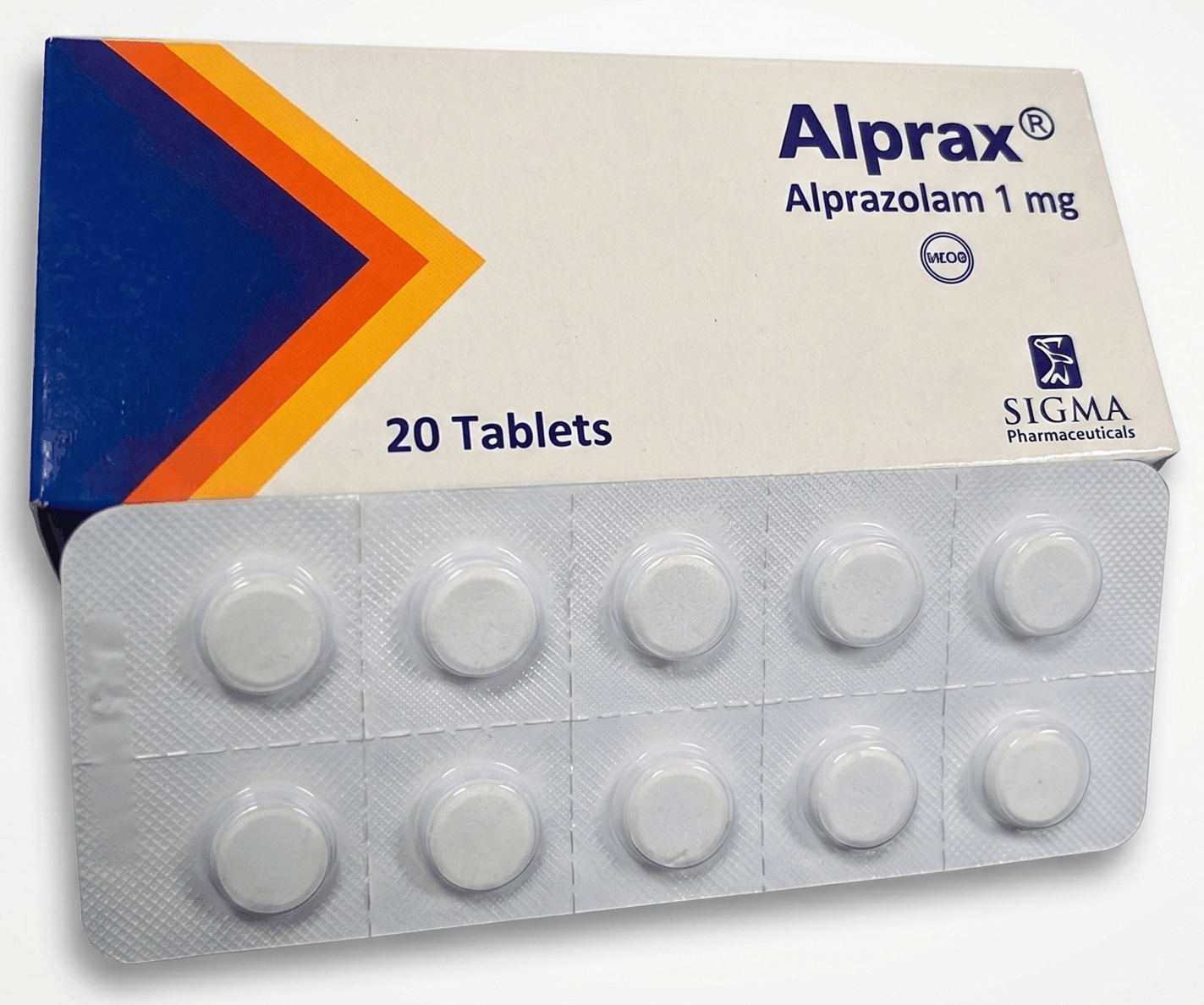
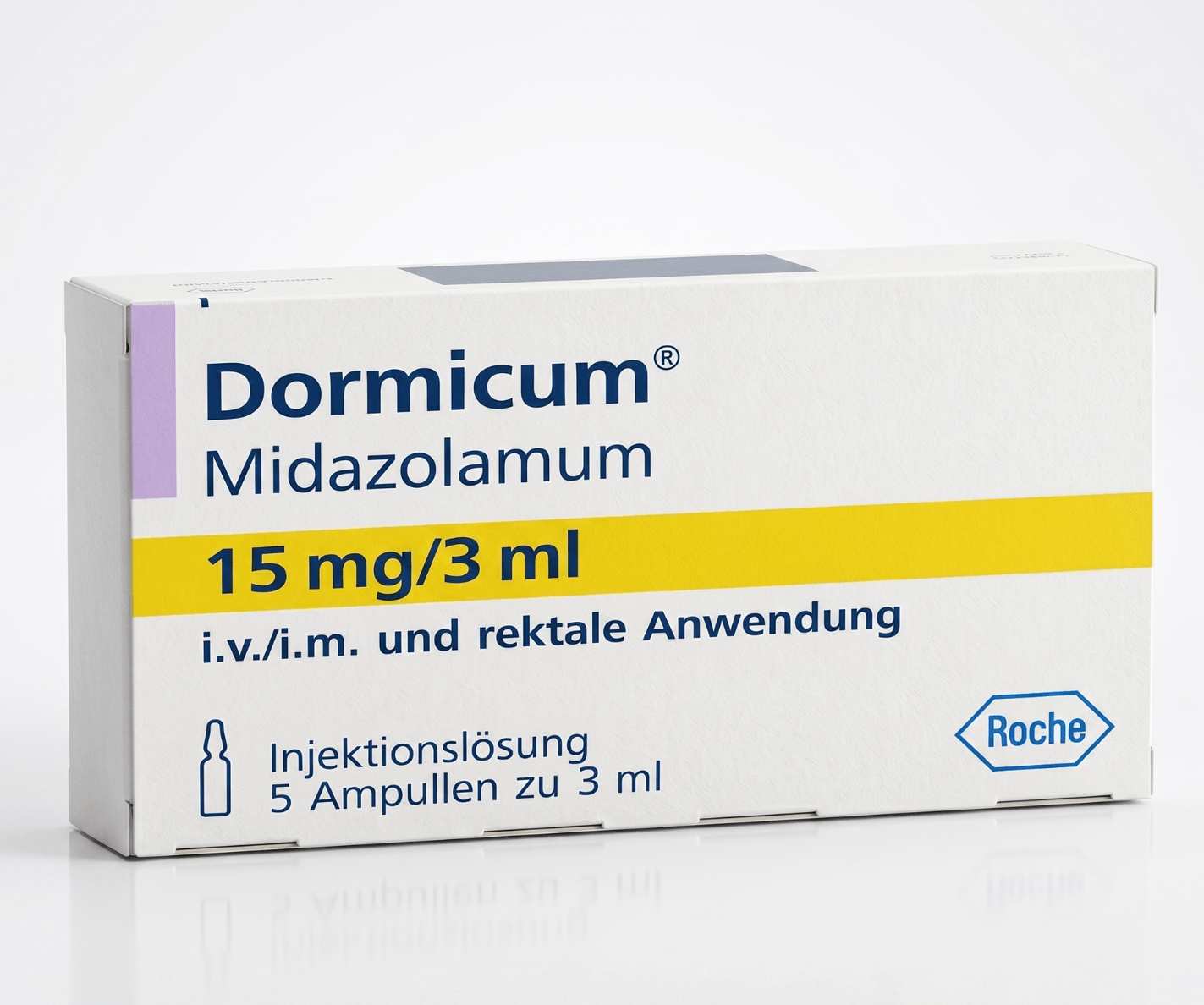
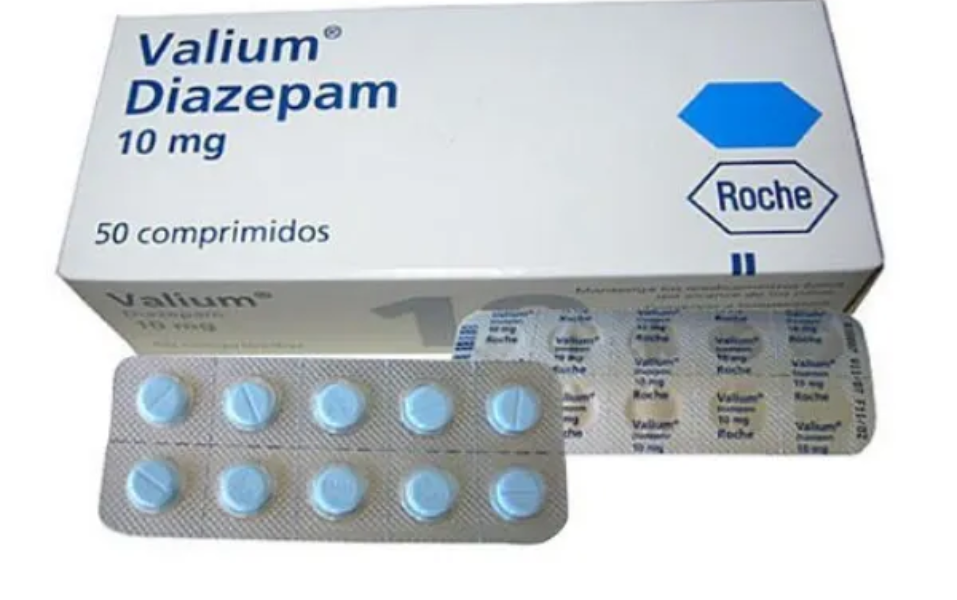
Ninety million bottles of Valium were dispensed yearly in the U.S. during the mellow Seventies. What happened?
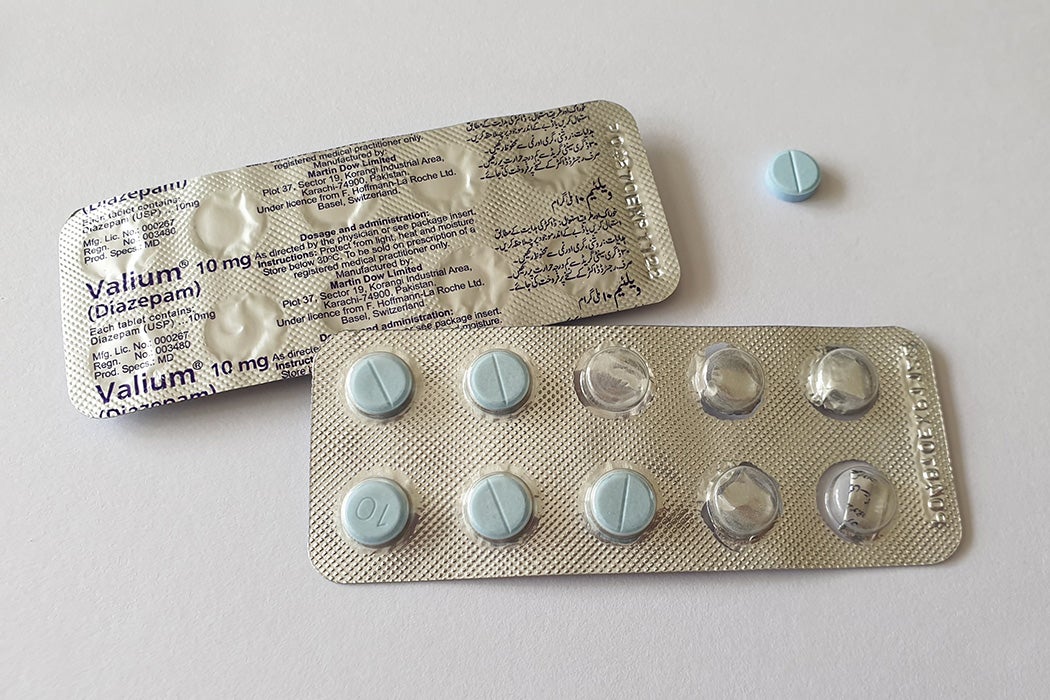
Valium
Share
By: Matthew Wills
January 30, 2022
3 minutes
The icon indicates free access to the linked research on JSTOR.
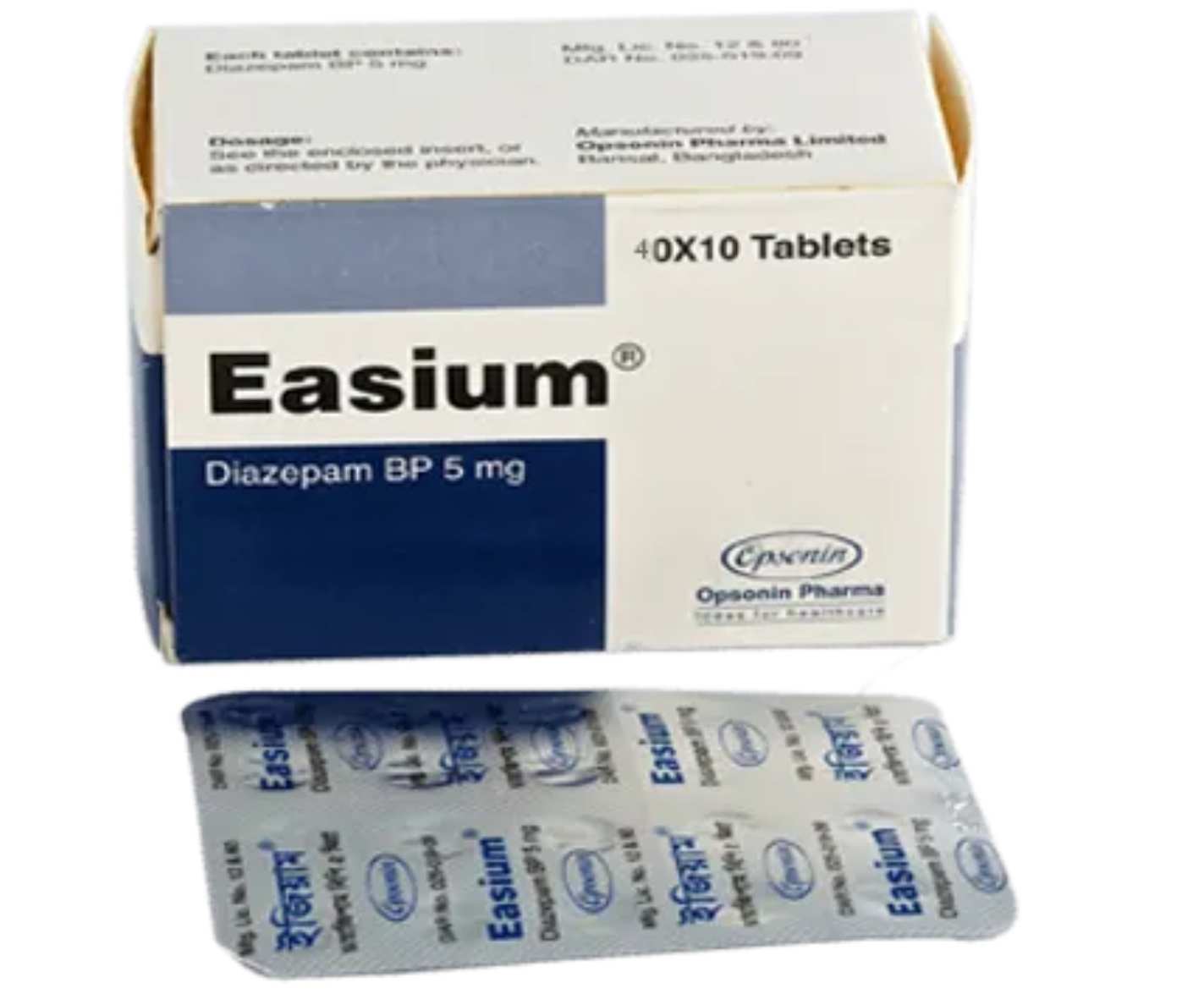
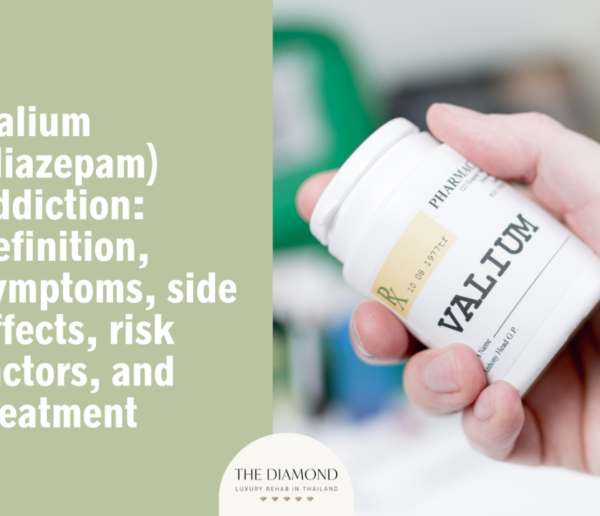
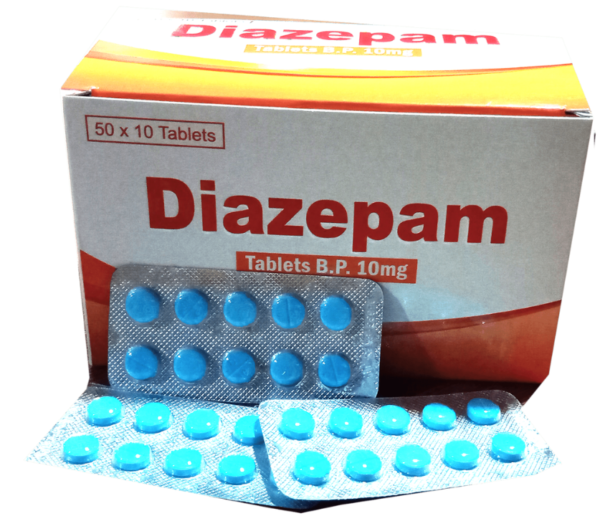
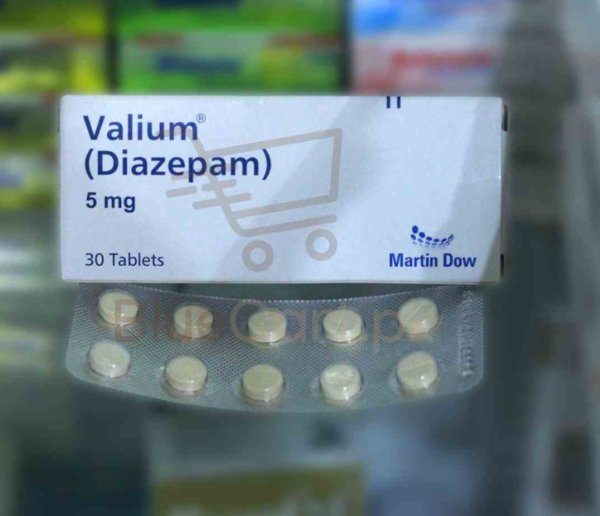
Valium was the most prescribed drug of the 1970s, the tranquilizer of choice after the tumult of the Sixties. Ninety million bottles were dispensed yearly in the U.S. during the mellow Seventies. Today, diazepam, as the drug is known generically, isn’t even in the top 100 most commonly prescribed medications.

So what happened to Valium? There was, argues, scholar David Herzberg, a drug panic fueled by fears that nice, middle class white people, particularly women, were becoming addicted to it.
This drug panic was different from those that preceded it.
In 1978, former First Lady Betty Ford became the “most famous victim of ‘prescribed addiction’” after she revealed her history with alcohol and Valium. Newspapers, magazines, and television all presented stories of Valium addiction. Congress got involved, with multiple hearings. Barbara Gordon’s best-selling memoir, I’m Dancing As Fast As I Can (1979), made into a 1982 movie, was another signature part of the media attention. But, argues Herzberg, this drug panic was different from those that preceded it.
“Past scares had largely targeted drugs associated with marginal populations, such as immigrants, nonwhites, or the urban poor. […] The Valium panic, on the other hand, involved a quintessentially middle-class drug prescribed legally by reputable physicians for their respectable patients.”
Valium “was popularly recognized as an entrenched part of life in the comfortable classes, especially for women.” (Valium use among women was twice that of men.) It wasn’t illegal; no “dangerous classes” played a role in its distribution. In fact, “the usual anti-drug coalition of government, middle-class cultural crusaders, and medical authorities was openly involved in the Valium trade.”
Yet the drug that defined the 1970s—it was the best-selling prescribed medication in the U.S. between 1968 and 1982—brought together a “new coalition of activists, especially certain segments of the diverse second-wave feminist movement, who re-deployed the powerful cultural tools of the anti-drug genre for their own agenda.”
“They revised classic drug-scare narratives to sensationalize Valium addiction among affluent white women as a central symbol of sexism and its consequences, and they held up liberation from ‘mother’s little helper’ as an archetypal story of emancipation.”
And they were effective. Attitudes were very much changed about Valium, helping to reduce use of the drug “to such an extent that we may never know whether the ‘epidemic’ truly existed or not.” Other pharmacological products like Prozac and Xanax would come to the fore through the 1980s.
Herzberg writes that the anti-Valium movement adopted traditional anti-drug messaging and traded “on the assumptions about these [Valium-using] women’s essential innocence in a way that excluded—and even reified—the “dangerous classes” as a different sort of drug user.”
All this played into the history of drug wars stretching back into the nineteenth century, when alcohol (“demon rum”) was targeted by temperance reformers. Class and racial divisions helped set the distinctions between drugs that were legitimate medicine and illegal dope, both categories that changed over time, a division between the respectable suburban medicine cabinet and the shameful, criminal street or slum.
Weekly Newsletter
Get your fix of JSTOR Daily’s best stories in your inbox each Thursday.
The anti-Valium campaign “succeeded because they presented themselves as an exception.” Valium-abusers were white collar addicts, deserving of sympathy, even a whole new way of looking at addiction: as a disease rather than a crime. But these positive, progressive notions were only for Valium users. The anti-Valium forces “raised no challenge to the broad agenda of the ‘war against drugs.’” Valium users were good addicts, not junkies.
As Valium use dwindled in the 1980s, and crack became the “street drug” of the decade, a new expansion of the war on drugs began. Mass incarceration, and the fateful shifting of state spending from schools to prisons followed, driven at least in part by the demographics of those most impacted.
Have a correction or comment about this article?
Please contact us.
drugsmoral panicAmerican Quarterly

Resources
JSTOR is a digital library for scholars, researchers, and students. JSTOR Daily readers can access the original research behind our articles for free on JSTOR.
“The Pill You Love Can Turn on You”: Feminism, Tranquilizers, and the Valium Panic of the 1970s
By: David Herzberg
American Quarterly, Vol. 58, No. 1 (Mar., 2006), pp. 79-103
The Johns Hopkins University Press

2 Comments
Finanappreciate your trust greatly Our clients choose dentace ducts because know we are the best area Awaitingare really.
Finanappreciate your trust greatly Our clients choose dentace ducts because know we are the best area Awaitingare really.